Team
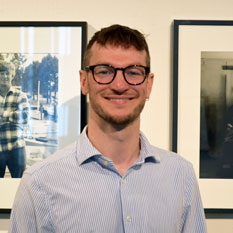
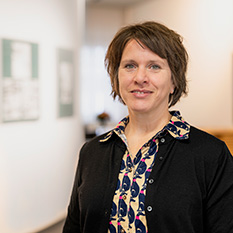
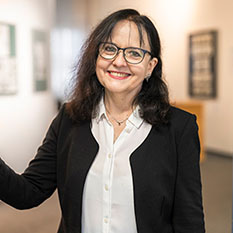
Head of Language Courses & Programs for Kids and Students | Deputy Director
Uta-Beate Schroeder
+49 (0)761 55 65 27-14
schroeder@csh-fr.de
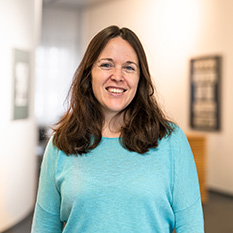
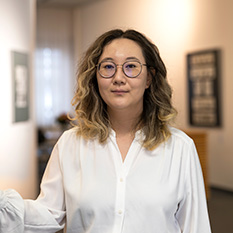
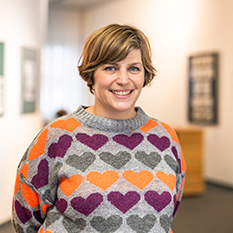
Head of Language Courses for Adults & Companies | German-American Business Community
Ashley Matthäus
+49 (0)761 55 65 27-16
matthaeus@csh-fr.de
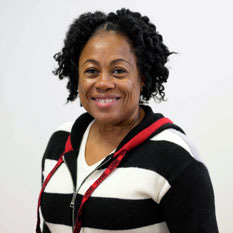
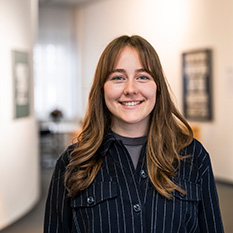
Federal Volunteer, Library & Cultural Program
Charlotte Fuchs
+49 (0)761 55 65 27-27
bufdi1@csh-fr.de
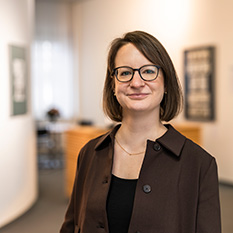
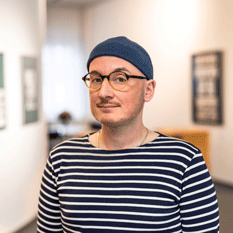
Cultural Program | Press | Social Media
Dr. René Freudenthal
+49 (0)761 55 65 27-19
freudenthal@csh-fr.de

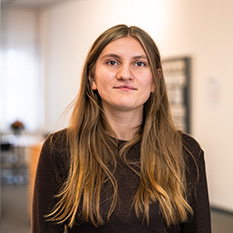
Internship Cultural Program & Public Relations
Hanna Otto
+49 (0)761 55 65 27-0
praktikant2@csh-fr.de
Studien- und Austauschberatung | Stipendium | Schulprogramme
Melanie Goelden
+49 (0)761 55 65 27-18
goelden@csh-fr.de
Teachers
Get to know our teachers here.
Career
Teachers Wanted!
Join our Teaching Team!
Are you a native English speaker with teaching experience? Apply now to join our freelance team!
Intern Wanted!
Join the team!
Start your internship now! Would you like to gain in-depth insight into the work of a renowned cultural institute? Are you communicative, creative, and interested in culture, media, and event organization? Then this internship is just right for you!
Board
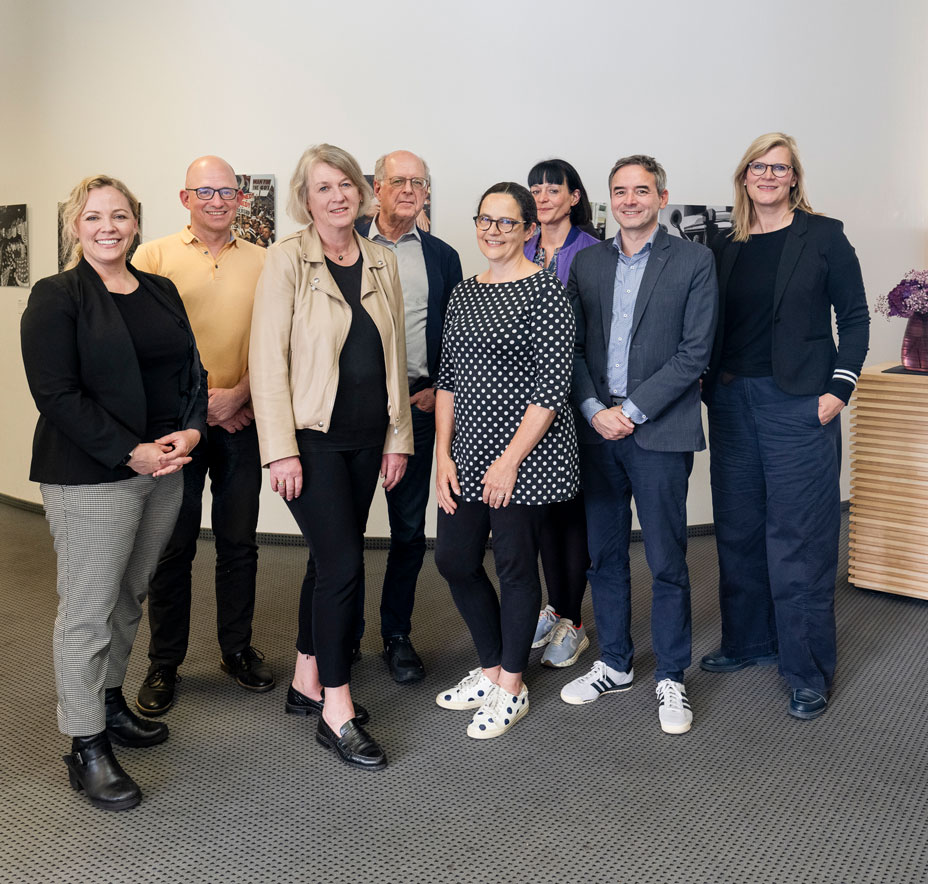
- Gerhard Manz (Chairman)
- Dr. Michael Lauk
(deputy chairman | not pictured)
Felicia Maier
(City of Freiburg) - Ministerialrat Matthias Wolf
(State of Baden-Württemberg | not pictured)
Christopher Sanchez
(State of Baden-Württemberg)
- Consul Michelle Kevern
(U.S. Embassy Berlin | not pictured) - Roman A. Seebeck
(Carl-Schurz-Haus | not pictured) - Dr. Christoph Haas
- Prof. Dr. Jürgen Rühe
(not pictured) - Dr. Anja Schüler
- Dr. Annette Schuck
Sponsors


VDAZ: Association of German-American Centers
 We are a member of VDAZ!
The VDAZ is a network of non-profit transatlantic educational and cultural centers. Its member institutions are open meeting places that promote exchange and understanding between the United States and Germany. The VDAZ brings together the diverse activities of these institutions and connects German-American understanding efforts nationwide.
Find more information about the VDAZ here.
Annual Report 2025 Download
History
Milestones
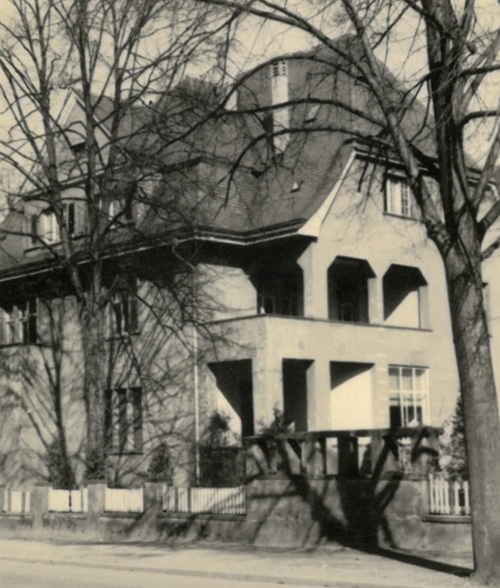
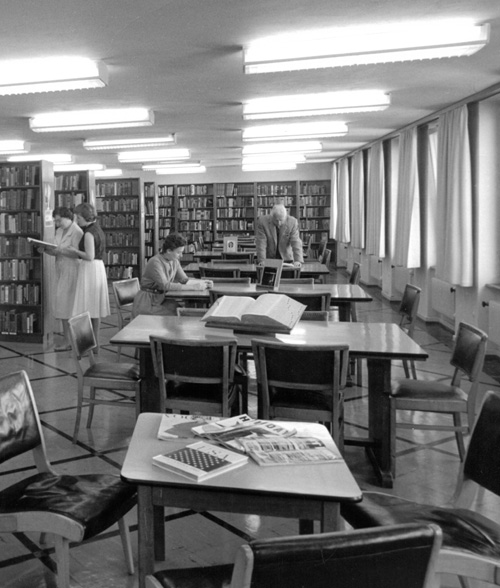
1952
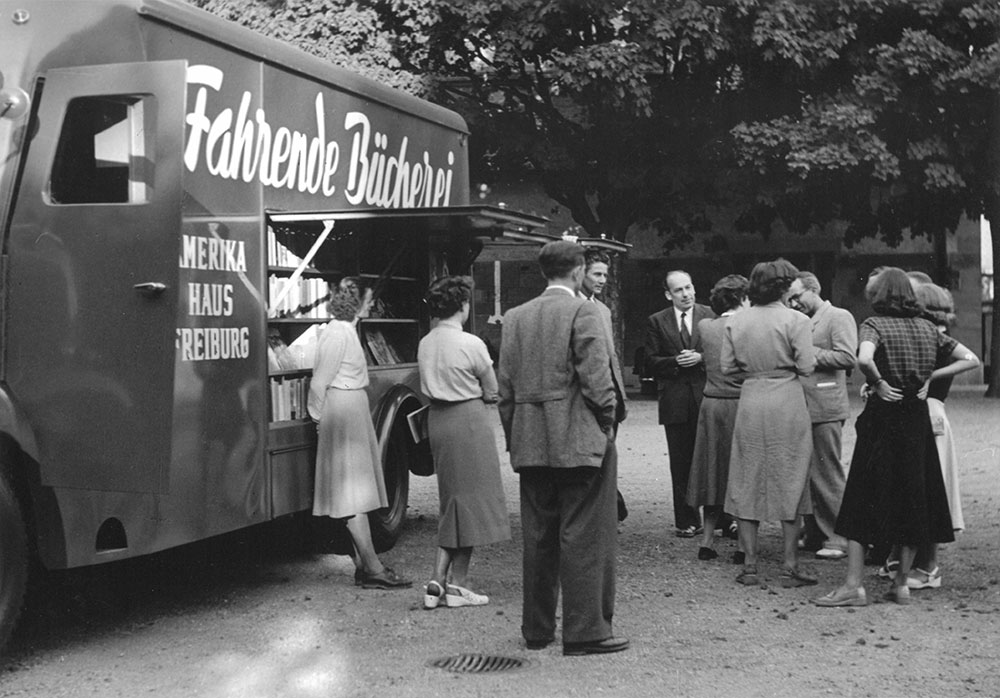
Founded as one of the U.S. government’s so-called America Houses across the country, today’s Carl-Schurz-Haus was intended to promote democratic values and cultural exchange in Germany after the end of World War II in the spirit of Western integration. The “bookmobile” – a mobile library bus – which is still often remembered in the city, supplied Freiburg’s schools and surrounding villages with English-language literature in the early years and made the idea of open education tangible.
1962
the Carl-Schurz-Haus was transformed into a binational center: the city of Freiburg, the state of Baden-Württemberg, the federal government, and the U.S. government now shared responsibility for the German-American Institute. The supporting association “Freiburger Amerika-Haus e. V.” with its board of directors, administrative board, and members was founded specifically for this purpose.
1966
moved to Kaiser-Joseph-Straße in the center of Freiburg’s old town—with its own library and lecture hall—and quickly became an indispensable address for transatlantic dialogue and local cultural life for the population.
1969
the institute was renamed Carl-Schurz-Haus – after the freedom fighter of the failed German Revolution of 1848, who emigrated to the United States and became a symbol of democracy and German-American exchange as a senator and secretary of the interior. The name change also marked a programmatic commitment to active binational bridge-building.
more …
1980s
Even in times of financial hardship, the institute remained in existence. When U.S. funding was drastically reduced in the 1980s, the sponsoring association took over responsibility for its continued existence—a decisive step toward independence.
1988
New alliances further strengthened the profile of the Carl-Schurz-Haus in the city’s society—and beyond: With the establishment of the Freiburg-Madison (Wisconsin) city partnership, the house found a lively link for citizen exchange on both sides of the Atlantic.
2006
The building finally opened with a ceremony—attended by Mayor Salomon—at its current address at Eisenbahnstraße 62.
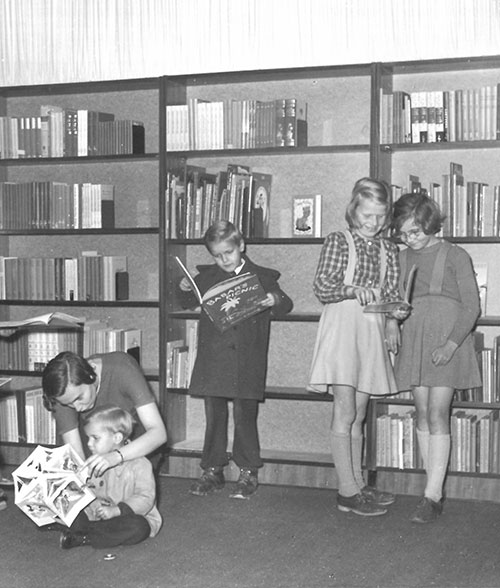
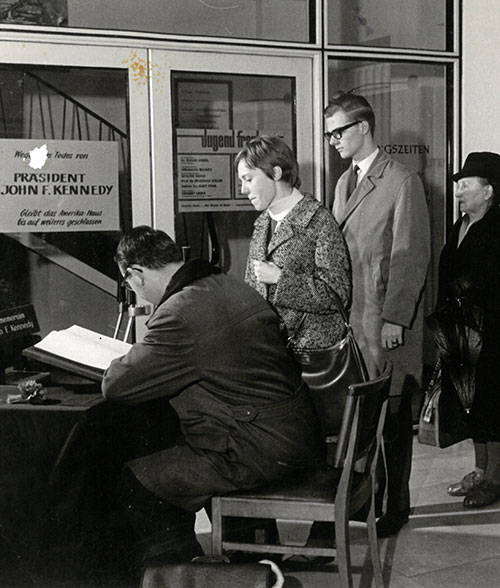
Since then
the Carl-Schurz-Haus has continuously expanded its range of transatlantic cultural programs and diverse services for the local population: We organize lectures by experts, readings with Pulitzer Prize winners, panel discussions with international scholars, film series, exhibitions, concerts, dinner parties, and workshops.
In addition
language courses for all age groups with native-speaking teaching staff characterize our offerings. From children and young people to adults and corporate clients, all interested parties will find tailor-made solutions for their educational needs. We also offer student and academic counseling as well as projects on media literacy and promoting democracy. Last but not least, our in-house library has become a popular meeting and event space, serving as a kind of “third space.”
Today
the Carl-Schurz-Haus stands for open, multifaceted dialogue between the U.S., Germany, and Europe. It brings its founding history into dialogue with current issues: from transatlantic politics to literature and film to existential questions of democracy. This makes it not only a place of history, but above all a place of the present—and a forum for the debates of tomorrow.
Carl Schurz
„Ideals are like stars; you will not succeed in touching them with your hands. But like the seafaring man on the desert of waters, you choose them as your guides, and following them you will reach your destiny“

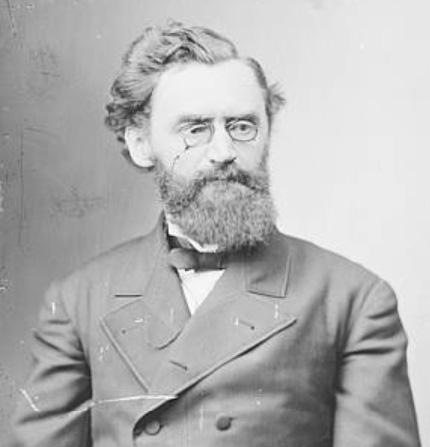
Our eponym, Senator and Secretary of the Interior Carl Schurz (1829–1906), exemplifies the close intertwining of German and American democratic history. Born in the Rhineland, he joined the revolution of 1848/49 as a student and fought for political freedom and liberal civil rights. After the revolution was crushed, he fled - with a number of detours - to the United States, where he settled in Watertown, Wisconsin, after arriving in New York. Schurz not only found a second home in the United States, but also quickly found a new, larger political stage.
In his adopted home on the other side of the Atlantic, Schurz had a remarkable career: he worked as a journalist, lawyer, and passionate speaker before fighting as a general for the Northern states in the Civil War. He later became a senator for the state of Missouri and, as Secretary of the Interior under President Rutherford B. Hayes (1877–1881), a leading voice for reforms in public service and fairer treatment of indigenous peoples. Even though this sparked controversy, he remained an uncompromising advocate of political integrity and a state oriented toward the common good.
Throughout his life, Carl Schurz was not only a politician with a desire for reform, but also a publicist and intellectual. He saw himself as a mediator between the old and new worlds – someone who brought the German ideals of freedom from 1848 to America and conveyed practical American experiences of democracy back to Europe. In this way, Schurz embodied the basic idea of transatlantic understanding long before this term came into common use. His work reminds us to this day that democracy can only remain alive if it is conceived across borders and courageously defended.